
The Army must accelerate counterspace investments
Col. Pete Atkinson argues in this op-ed that the Army needs to have native counterspace capabilities.
Col. Pete Atkinson argues in this op-ed that the Army needs to have native counterspace capabilities.

The Army's emphasis currently is "on the counterspace piece for space control, electronic warfare, really doing counter-communications," said Brig. Gen. Donald Brooks, deputy commanding general for operations at Army Space and Missile Defense Command.


Cybersecurity skills must evolve in near-real time as Zero Day threats continue and AI provides new challenges.
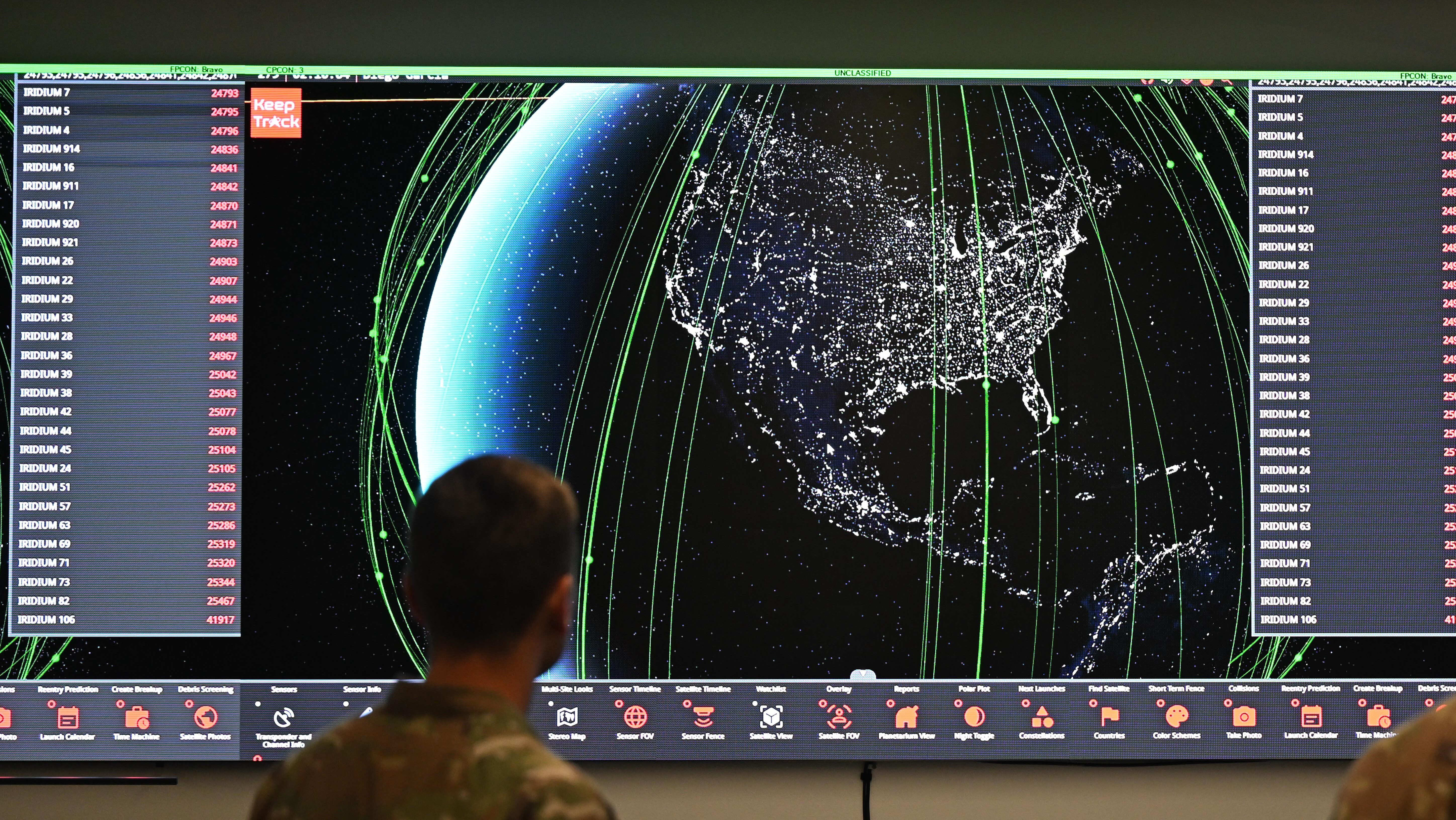
The document argues that the US needs to establish space superiority as a precondition for winning a war, and explains that the Space Force does that by exercising "space control."

The program was designed to both to increase mobility and improve the jamming capabilities of the Space Force's legacy Counter Communications System, to include providing multi-frequency jamming in S-band and X-band.

The report finds that Russia has been increasingly successful at blocking Ukraine's use of SpaceX's Starlink communications constellation, citing media reports in December 2024 about a new system specifically targeting Starlink called Kalinka and developed by the Russian Center for Unmanned Systems and Technologies.

The chief of space operations said the Space Force is examining how to best invest in six categories of counter-space weapons, because China is doing the same.


The AEI paper, authored by Senior Fellow Todd Harrison, recommends ditching the standup of Space Futures Command and creating a new organizational structure that combines acquisition and operational functions around mission areas.

"We'll have multi-form factor balloons operating at various altitudes, executing different mission sets, ultimately increasing the target problem set and dilemma for our adversaries ...," said Col. Donald Brooks, commandant of the Army's Space and Missile Defense Center of Excellence.

"[T]here's all kinds of excitement, both on the [Korean Peninsula] and in Japan, about what the Space Force can bring those allies," Brig. Gen. Anthony Mastalir, commander of US Space Forces — Indo-Pacific, told the Mitchell Institute today.

"Every dollar invested brings asymmetric returns, while every cut risks asymmetric losses, given the continued advancements of the competitors, the Space Force budget needs more, not fewer, resources to do our job," said Gen. Michael Guetlein, Space Force vice chief.
Michigan’s defense ecosystem and expertise makes it a special asset for production.
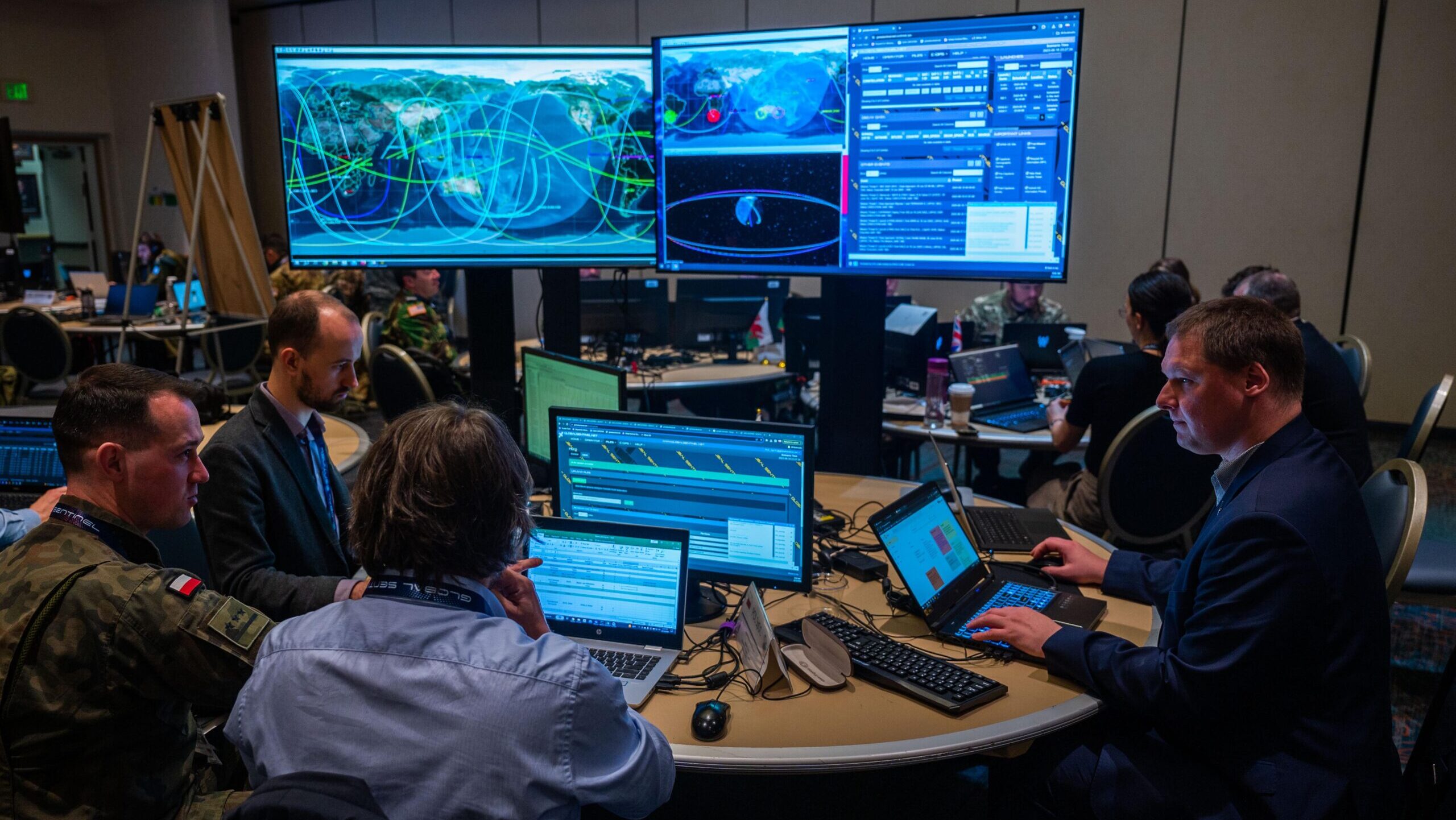
Hiding in the sun, launching mini satellites and radar absorbent materials are just some of the tricks nations are using to hide their military satellites in orbit.

The project is designed "to increase Europe’s independence and superiority in space," the EDF's two-page fact sheet says.
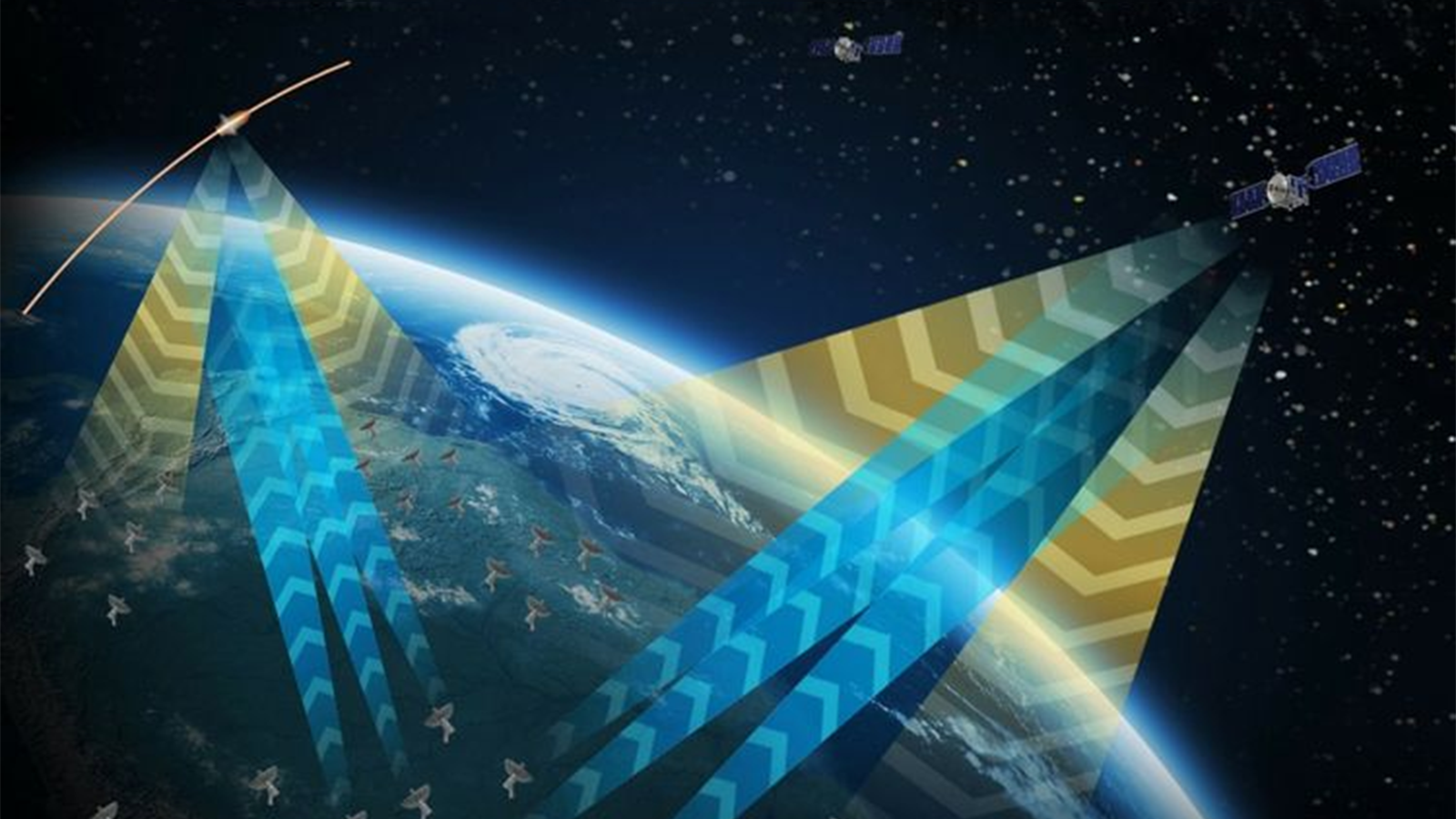
The SPACECOM list includes almost $704 million for three unnamed classified programs, as well as $90 million to fund a trio of classified Navy electronic warfare-based "counterspace" capabilities.
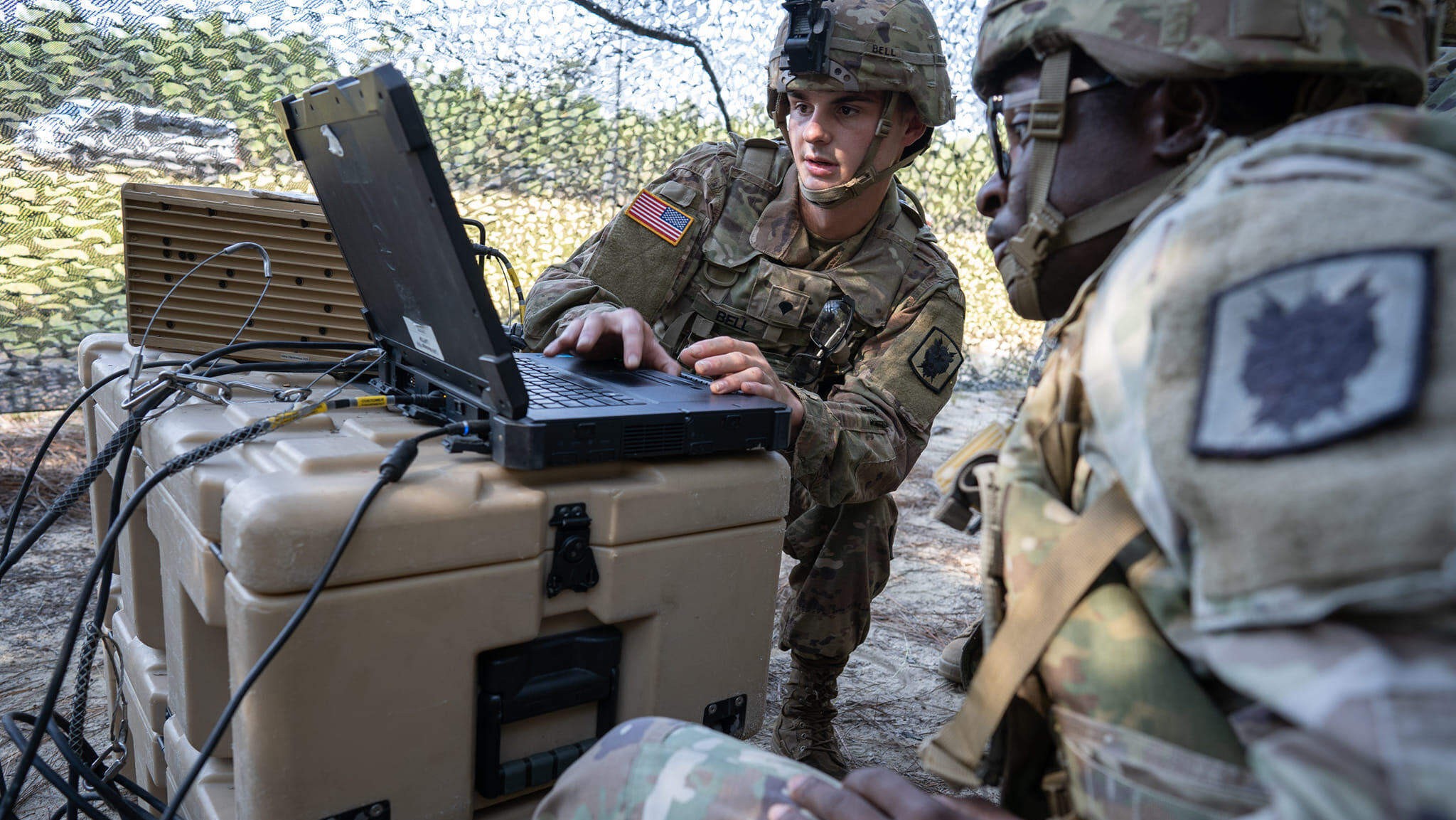
As well as leveraging space systems for its own operations, the Army intends to invest in capabilities to counter enemy space systems, the new vision document explains.